
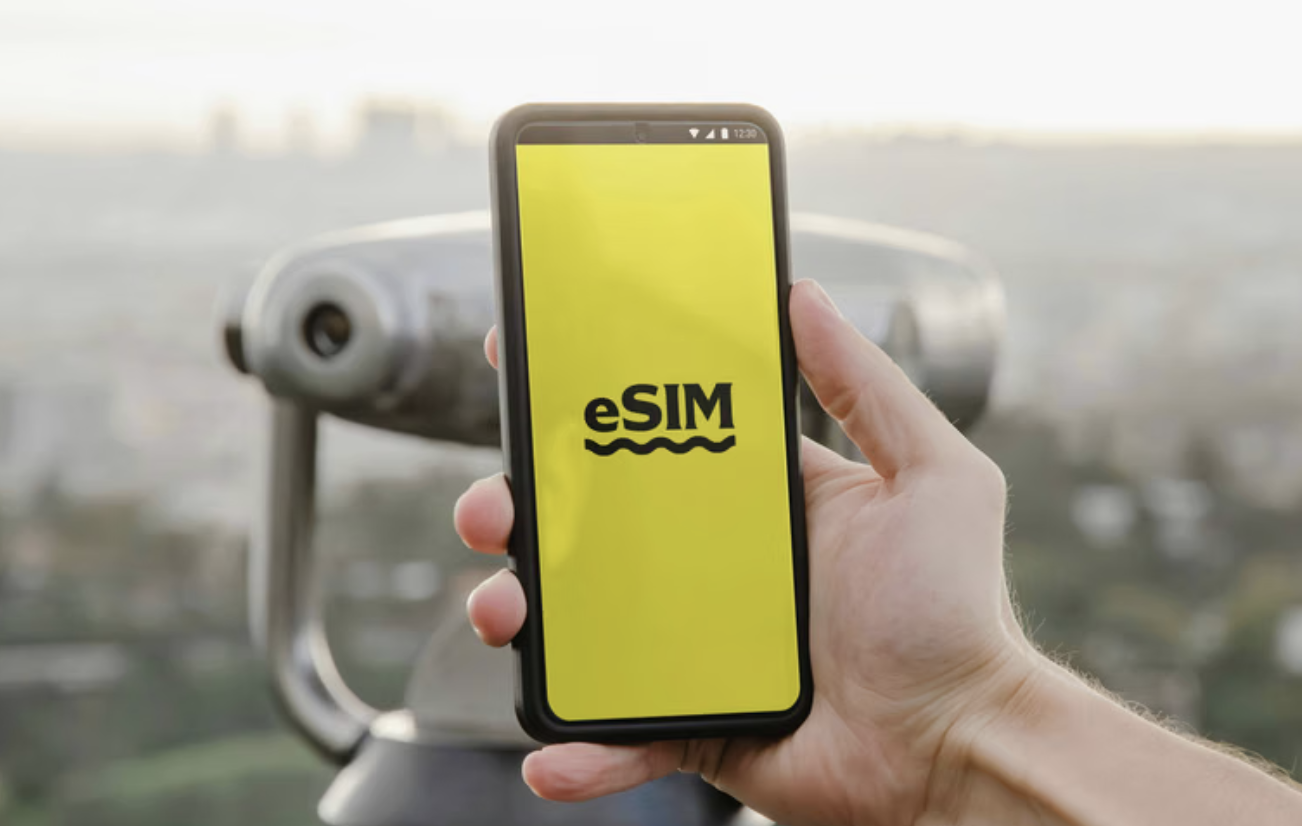
Studying abroad opens doors to incredible academic opportunities, cultural experiences, and personal growth. However, one challenge international students face is staying connected the moment they land in a new country. Traditional SIM cards involve airport queues, language barriers, and activation delays. eSIM technology solves this by allowing students to activate mobile data plans digitally before departure, ensuring immediate connectivity for maps, accommodation check-ins, university communication, and contacting family back home.
Why International Students Need eSIM Technology
International students require reliable internet access from day one. Whether you’re navigating to your university accommodation, attending orientation sessions, or accessing essential student portals, connectivity isn’t optional. Traditional roaming charges can cost hundreds of dollars monthly, while physical SIM cards require time-consuming purchases and activation processes in unfamiliar environments.
eSIM technology provides a practical solution. An embedded SIM allows you to download and activate mobile data plans directly to your smartphone without physical cards. For students heading to popular study destinations, an eSIM USA plan offers immediate connectivity across American universities and cities, with flexible data options that match student budgets and usage patterns.
Top Study Destinations Where eSIM Makes Student Life Easier
United States: The Leading Choice for International Education
The United States hosts over 1 million international students annually across institutions from Ivy League universities to state colleges. Students arriving in New York, Los Angeles, Boston, or smaller college towns need immediate connectivity for ride-sharing apps, university email access, and housing coordination.
American mobile networks operate on specific frequency bands, and student visa holders cannot always open traditional mobile contracts without established credit history or Social Security numbers. eSIM eliminates these barriers entirely. Students can purchase data plans before departure, activate upon landing, and avoid the stress of finding carrier stores during their first overwhelming days abroad.
Australia: Growing Education Hub with Unique Connectivity Needs
Australia attracts over 600,000 international students to cities like Sydney, Melbourne, Brisbane, and Perth. The country’s vast distances between cities and campuses make reliable mobile connectivity essential. Students often travel between campus locations, internship sites, and popular tourist destinations during semester breaks.
Australian telecommunications infrastructure is excellent in urban areas but can be challenging in regional locations. International students studying at universities in Canberra, Adelaide, or regional campuses benefit significantly from flexible connectivity options. An eSIM Australia plan provides nationwide coverage with simple activation, allowing students to stay connected during orientation week, campus tours, and initial settlement activities without the complexity of long-term contracts.
United Kingdom, Canada, and European Study Destinations
The UK welcomes international students to historic institutions like Oxford, Cambridge, and London universities. Canadian universities in Toronto, Vancouver, and Montreal offer world-class education with multicultural environments. European destinations through Erasmus programs and direct enrollment require connectivity across multiple countries.
eSIM technology particularly benefits students studying in Europe, where traveling between countries for cultural experiences, internships, or academic conferences is common. Single eSIM plans can cover multiple European nations, eliminating the need to purchase separate SIM cards in each country.
Practical Benefits of eSIM for Student Life
Immediate Access to Essential Student Services
Universities increasingly use digital platforms for everything from course registration to campus security alerts. Students need working mobile data to:
- Access university learning management systems (Canvas, Blackboard, Moodle)
- Receive two-factor authentication codes for student portals
- Use campus safety apps and emergency notification systems
- Navigate campus maps and building locations
- Communicate with international student advisors
- Coordinate airport pickup services
- Access temporary accommodation booking confirmations
Budget-Friendly Options for Students
International students operate on tight budgets that include tuition, accommodation, textbooks, and living expenses. Traditional roaming charges from home country carriers can exceed $100-200 monthly. Contract-based mobile plans in new countries often require credit checks, deposits, or annual commitments that don’t suit student needs.
eSIM plans offer flexibility with:
- Pay-as-you-go options without long-term contracts
- Data-only plans (students can use WhatsApp, Telegram, or university communication tools)
- Affordable packages starting from $5-15 for short-term coverage
- Scalable options that adjust to semester schedules
- No activation fees or SIM card purchase costs
Seamless Dual SIM Functionality
Most international students want to maintain their home country phone number for banking, family contact, and important service notifications while using local data plans. Modern smartphones support dual SIM functionality with one physical SIM and one eSIM, or multiple eSIM profiles.
Students can keep their home number active for receiving verification codes and important calls while using an eSIM for affordable local data. This eliminates the need to constantly swap SIM cards or carry multiple devices.
Setting Up Your eSIM Before Departure
Device Compatibility Check
Before purchasing an eSIM plan, verify your smartphone supports eSIM technology. Compatible devices include:
- iPhone XS, XR, and all newer models
- Google Pixel 3 and later versions
- Samsung Galaxy S20, S21, S22, S23, S24 series
- Samsung Galaxy Z Fold and Z Flip series
- Huawei P40 and newer (in supported regions)
- Motorola Razr models
- OPPO Find X3 Pro and newer flagships
Check your device settings under “About Phone” or “Mobile Network” sections to confirm eSIM capability. Some carrier-locked phones have eSIM functionality disabled, so verify with your home country carrier if necessary.
Choosing the Right eSIM Plan for Your Study Duration
International students have different connectivity needs than tourists. Consider these factors:
Short-term orientation period (1-2 weeks): Purchase a smaller data package (3-5GB) to cover initial settlement, housing search, and university registration activities.
Full semester coverage (3-4 months): Look for monthly renewable plans or larger data packages (20-50GB) that accommodate regular usage including video calls home, streaming educational content, and social media.
Academic year coverage (9-12 months): Some eSIM providers offer long-term packages or monthly subscriptions with discounted rates for extended periods.
Installation Process Before Travel
The eSIM installation process is straightforward:
- Purchase your chosen eSIM plan from a reputable provider
- Receive a QR code via email or through the provider’s app
- Navigate to your phone’s settings and select “Mobile Data” or “Cellular”
- Choose “Add Data Plan” or “Add eSIM”
- Scan the provided QR code with your device camera
- Label the plan (e.g., “US Study eSIM” or “Australia Data”)
- Select the eSIM as your data line while keeping your home SIM for calls
Complete this process while still connected to WiFi in your home country. The eSIM will activate automatically when you arrive at your destination and your phone connects to local networks.
Maximizing eSIM Value During Your Studies
Data Management Strategies
International students can optimize their eSIM data usage with these practical strategies:
Leverage campus WiFi extensively: Universities provide comprehensive WiFi coverage across libraries, lecture halls, student centers, and dormitories. Download large files, update apps, and stream content while connected to campus networks.
Use data compression features: Enable data saver modes on smartphones and applications. Chrome, Firefox, and Opera browsers offer data compression that reduces usage by 30-50%.
Download offline content: Google Maps allows offline map downloads for your university city. Spotify, Netflix, and educational platforms offer offline content downloads when connected to WiFi.
Monitor usage regularly: Check your data consumption weekly through your phone settings or eSIM provider’s app to avoid unexpected depletion.
Combining eSIM with Other Student Resources
Smart international students layer connectivity solutions:
- Primary connectivity: eSIM for daily mobile data needs
- Campus WiFi: Free high-speed internet for academic work and entertainment
- Library resources: University libraries offer computers, WiFi, and sometimes device lending for students
- Coffee shop WiFi: Many chains offer free WiFi for customers, useful for study sessions and group projects
Educational Resources and Technology Integration
Modern education relies heavily on digital platforms. International students using RTO resources and online learning materials need consistent connectivity to access course content, participate in virtual classrooms, and complete assignments.
Vocational education and training (VET) students particularly benefit from mobile connectivity as many programs require:
- Access to industry-specific software and platforms
- Virtual simulations and training modules
- Real-time communication with workplace supervisors during internships
- Digital submission of practical assessments and portfolios
- Video conferencing for remote learning components
Reliable mobile data through eSIM ensures students never miss submission deadlines, can participate in online discussions from anywhere, and access learning resources during commutes or between classes.
Travel Opportunities During Study Breaks
International students often explore their host country during semester breaks, holidays, and long weekends. eSIM connectivity proves invaluable during these travels:
United States: Students can road-trip from East Coast to West Coast, visit national parks, experience different cities, and attend conferences with continuous connectivity.
Australia: Exploring the Great Barrier Reef, Outback adventures, coastal drives from Sydney to Melbourne, and Tasmania trips all require reliable navigation and communication.
Europe: Semester breaks allow travel across multiple countries. Single eSIM plans covering European regions eliminate the hassle of purchasing new SIM cards in each nation.
Having active mobile data means students can:
- Navigate unfamiliar cities safely using GPS
- Book last-minute accommodations through apps
- Share experiences with family through social media
- Access emergency services if needed
- Research local attractions and student discounts
- Coordinate group travel with classmates
Safety and Emergency Connectivity
University international student offices emphasize the importance of maintaining connectivity for safety reasons. Students should be reachable for:
- Emergency notifications from campus security
- Weather alerts and natural disaster warnings
- Embassy communications in crisis situations
- University closure announcements
- Health service appointment reminders
- Immigration appointment notifications
eSIM ensures students maintain connectivity even if they lose their physical wallet or documents, as the eSIM cannot be physically removed or lost like traditional SIM cards.
Frequently Asked Questions
Can I use eSIM if my phone is carrier-locked from my home country?
Carrier-locked phones may have restricted eSIM functionality. Contact your home carrier to request an unlock before traveling. Most carriers will unlock devices for international students studying abroad when provided with admission documentation and travel proof.
What happens to my eSIM plan if I return home during semester breaks?
Most eSIM plans remain active on your device but won’t incur charges when you’re outside the coverage area. Upon returning to your study destination, the plan reactivates automatically. Some providers offer pause options for extended absences, though semester breaks rarely last long enough to require this.
How do I top up or renew my eSIM data while studying abroad?
eSIM providers offer app-based management where you can purchase additional data or renew plans using international credit cards, PayPal, or other digital payment methods. This can be done entirely online without visiting physical stores.
Can I switch between different eSIM providers during my studies?
Yes, most smartphones support multiple eSIM profiles. You can install different providers’ eSIMs and switch between them in your phone settings. This is useful if you find better deals or need coverage in different regions during travel.
Will using eSIM affect my ability to receive calls from my home country?
No, dual SIM functionality allows your home country number to remain active for receiving calls and texts while the eSIM handles data connectivity. You can configure your phone to use your home SIM for calls and the eSIM exclusively for data, optimizing costs.
Do all countries where I might study support eSIM technology?
Major study destinations including the United States, Australia, United Kingdom, Canada, and most European nations have excellent eSIM infrastructure. Research specific coverage for your destination, though eSIM availability is expanding rapidly worldwide as telecommunications providers modernize their networks.

Melody Roth, a seasoned blog writer with a passion for the delectable world of food, specializes in crafting mouth-watering articles on favorites like pizza and burgers. With years of experience under her belt, Melody serves up stories as tantalizing as the dishes she describes, making her an invaluable voice in the culinary blogging realm.